Saffron Garlands, Resonant Nadaswaram Notes, and the Warmth of Ancient Rites
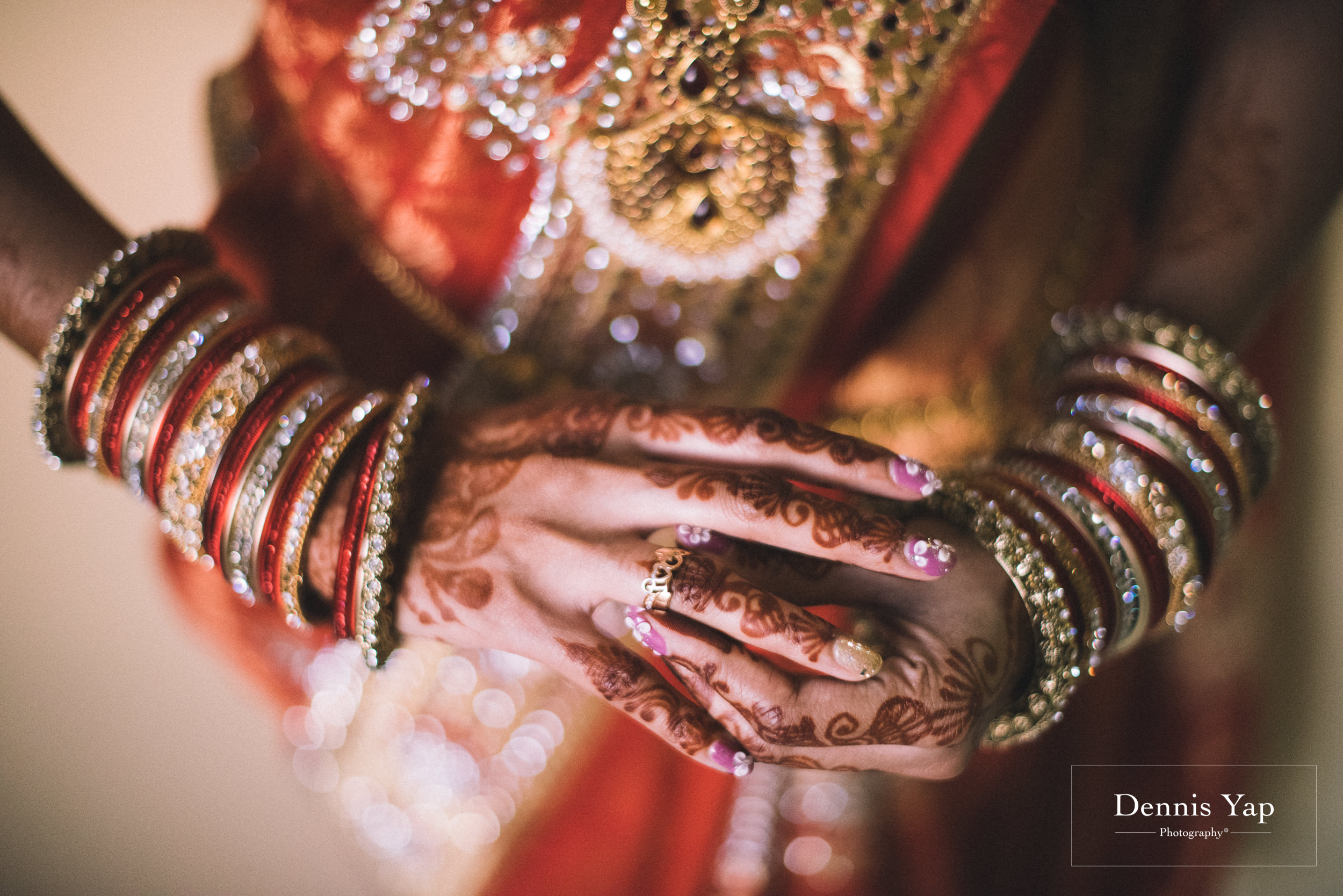
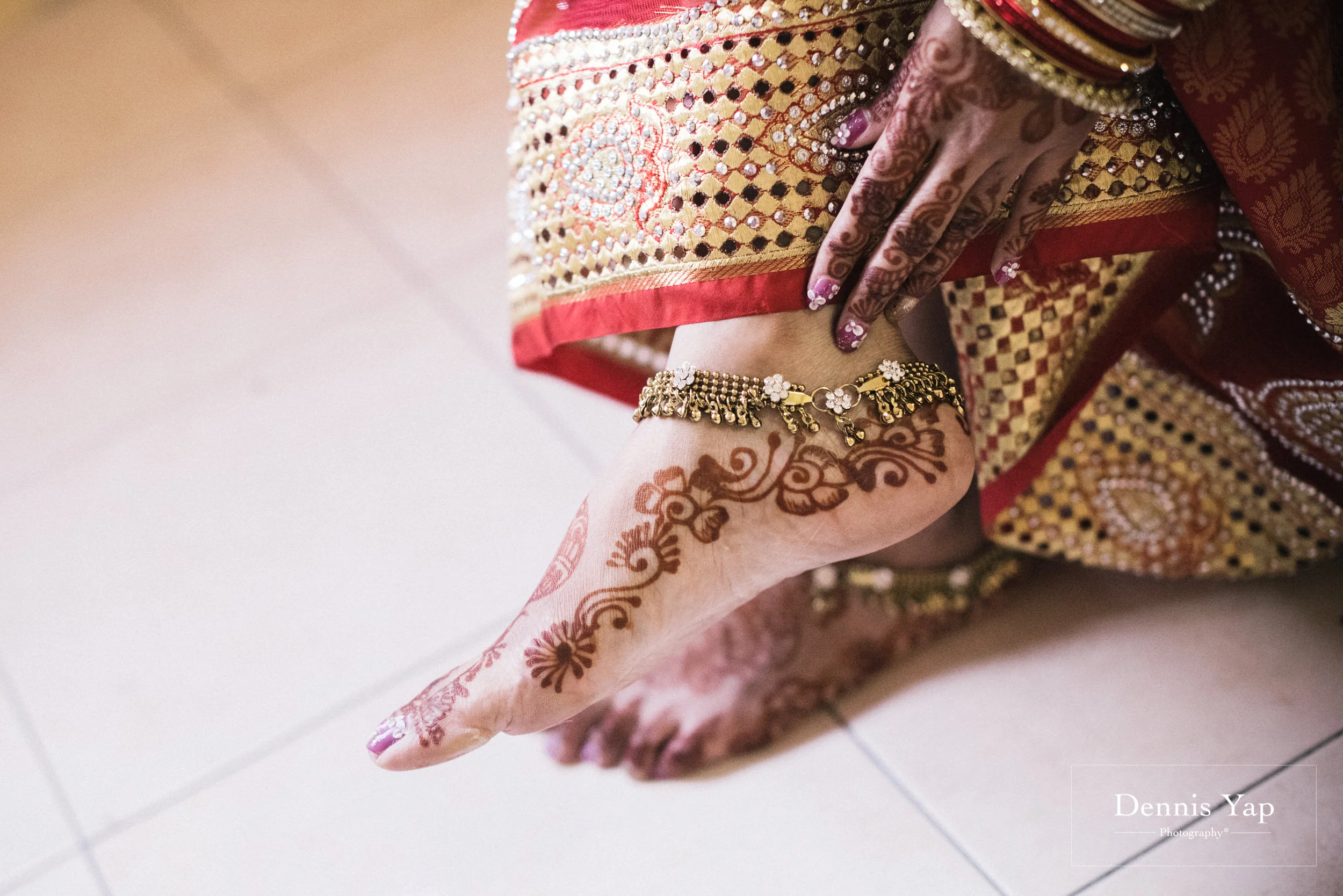
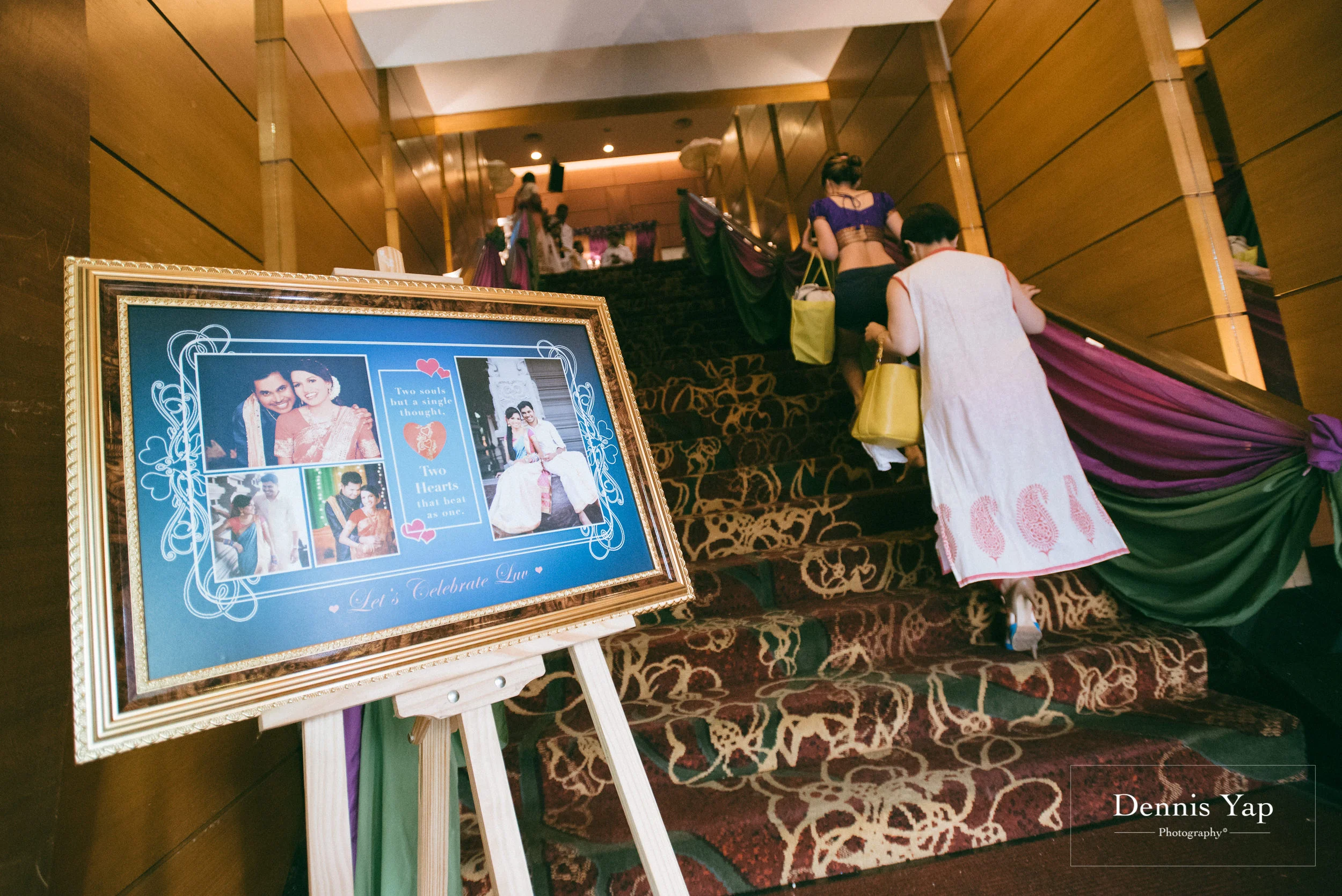
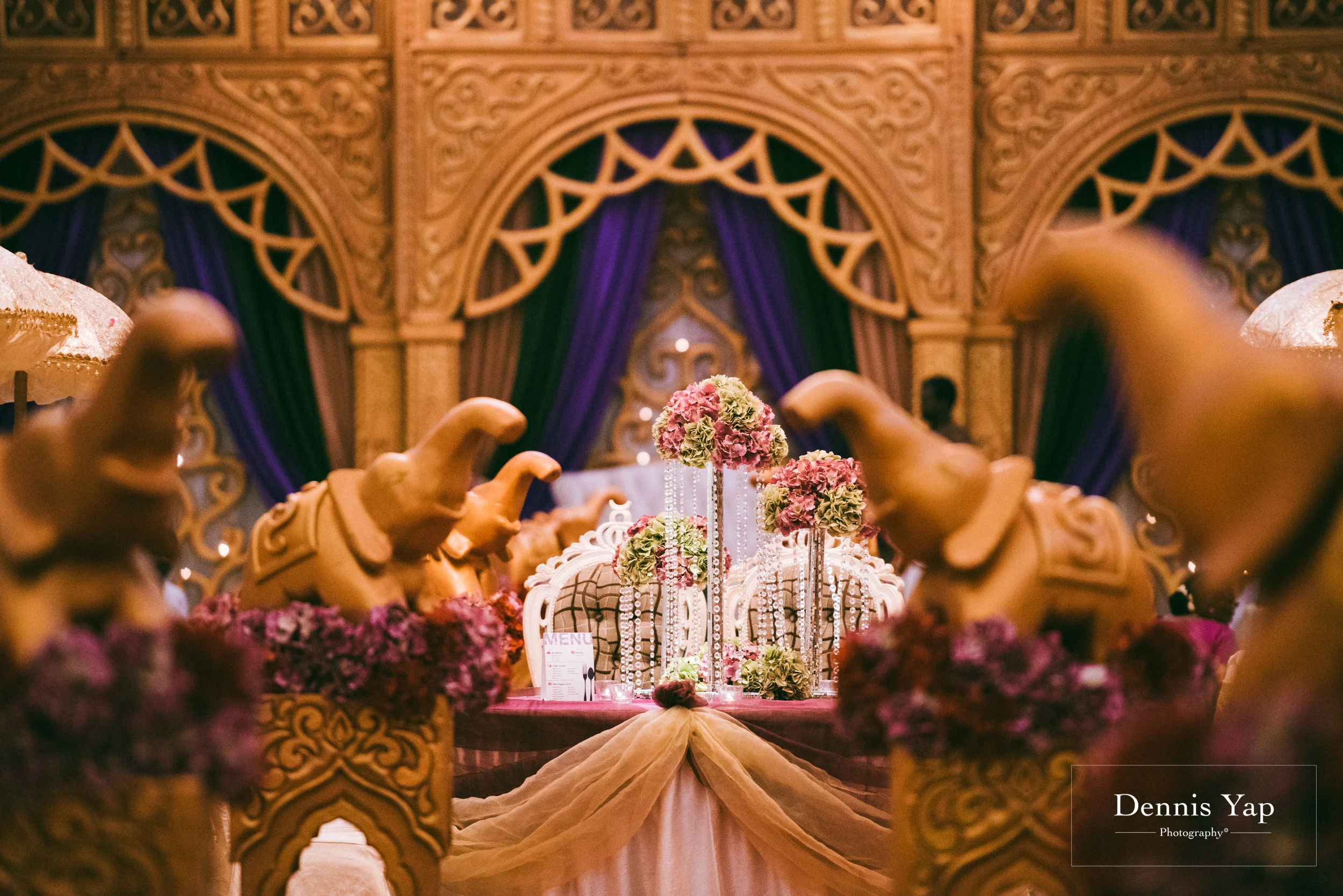
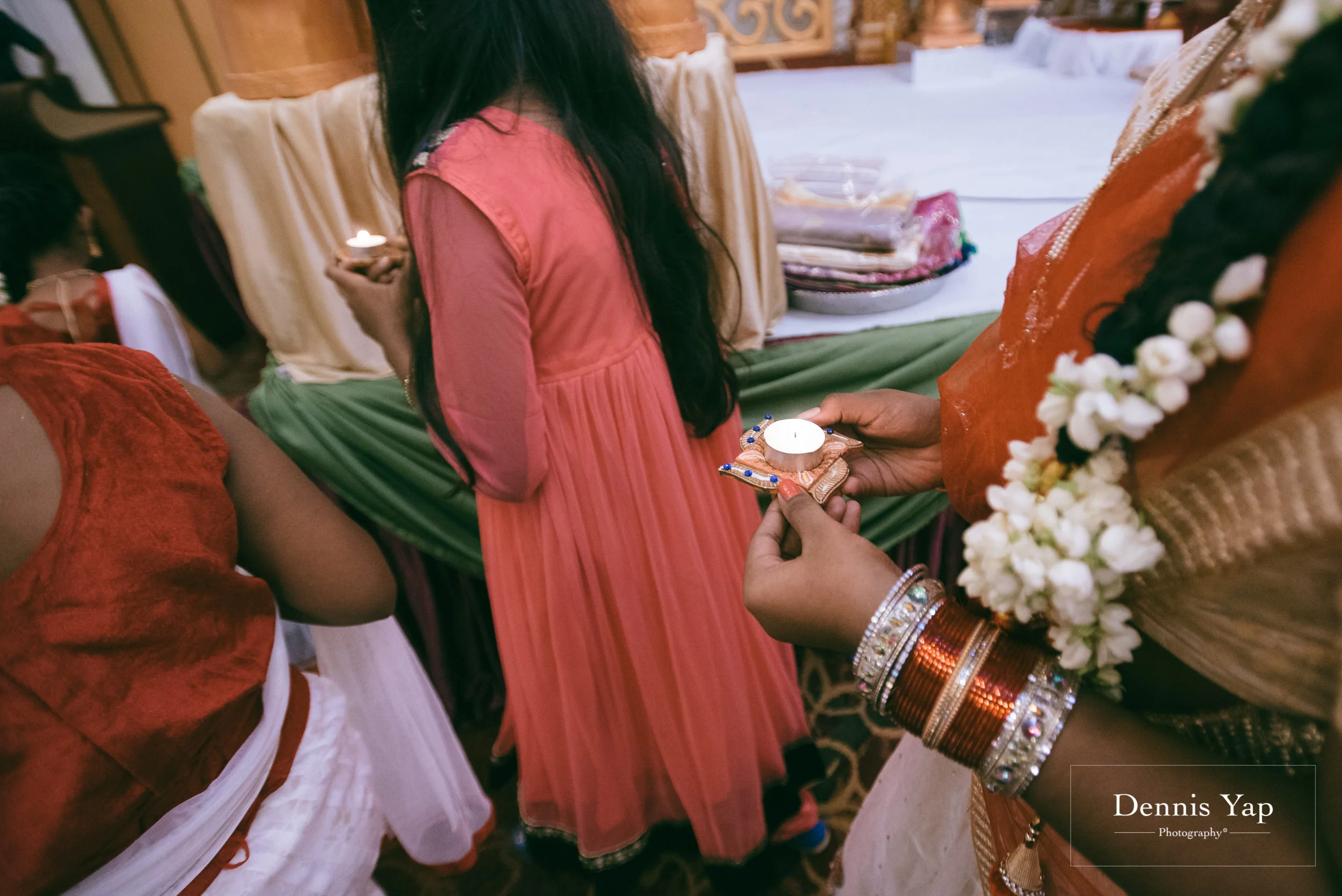
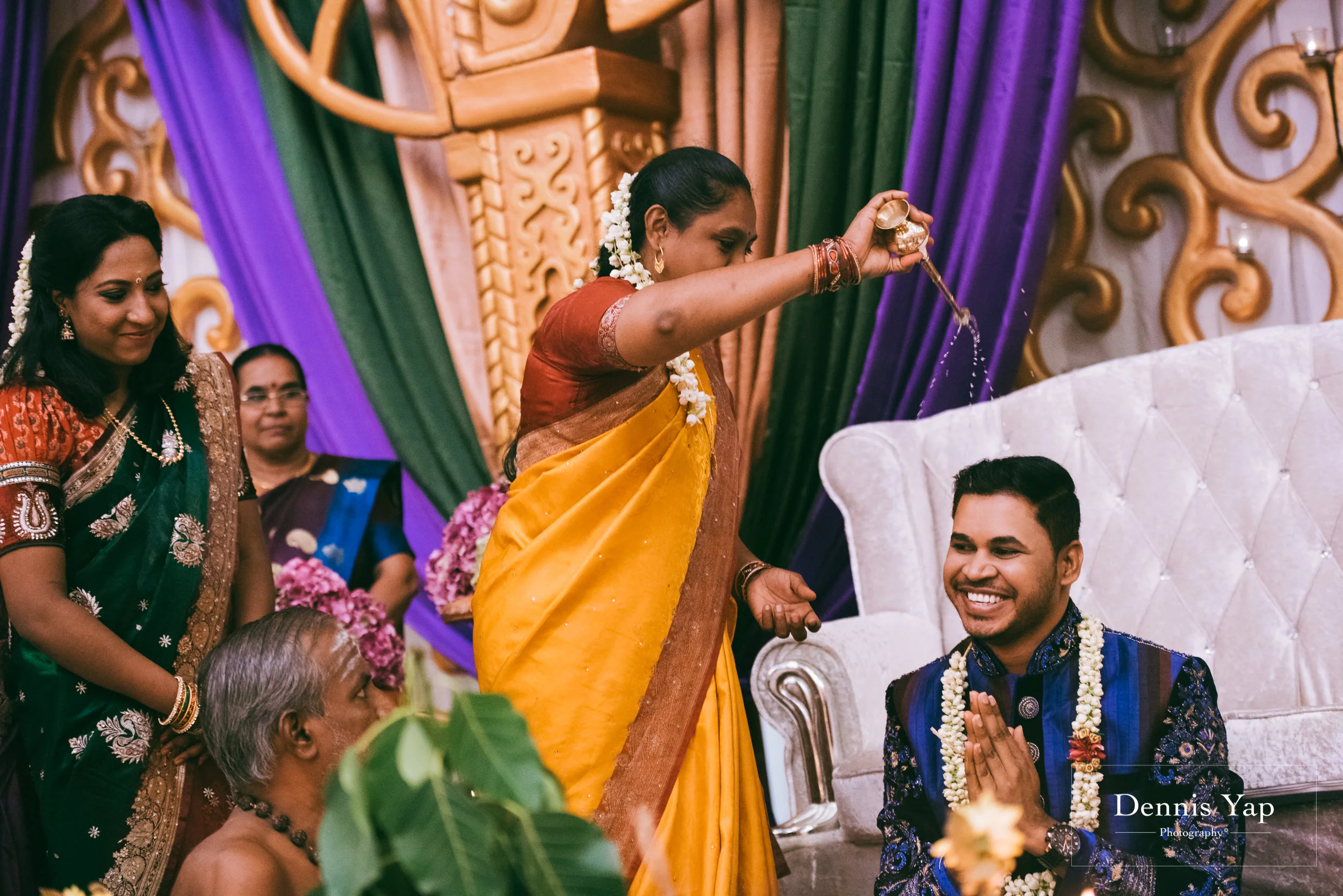
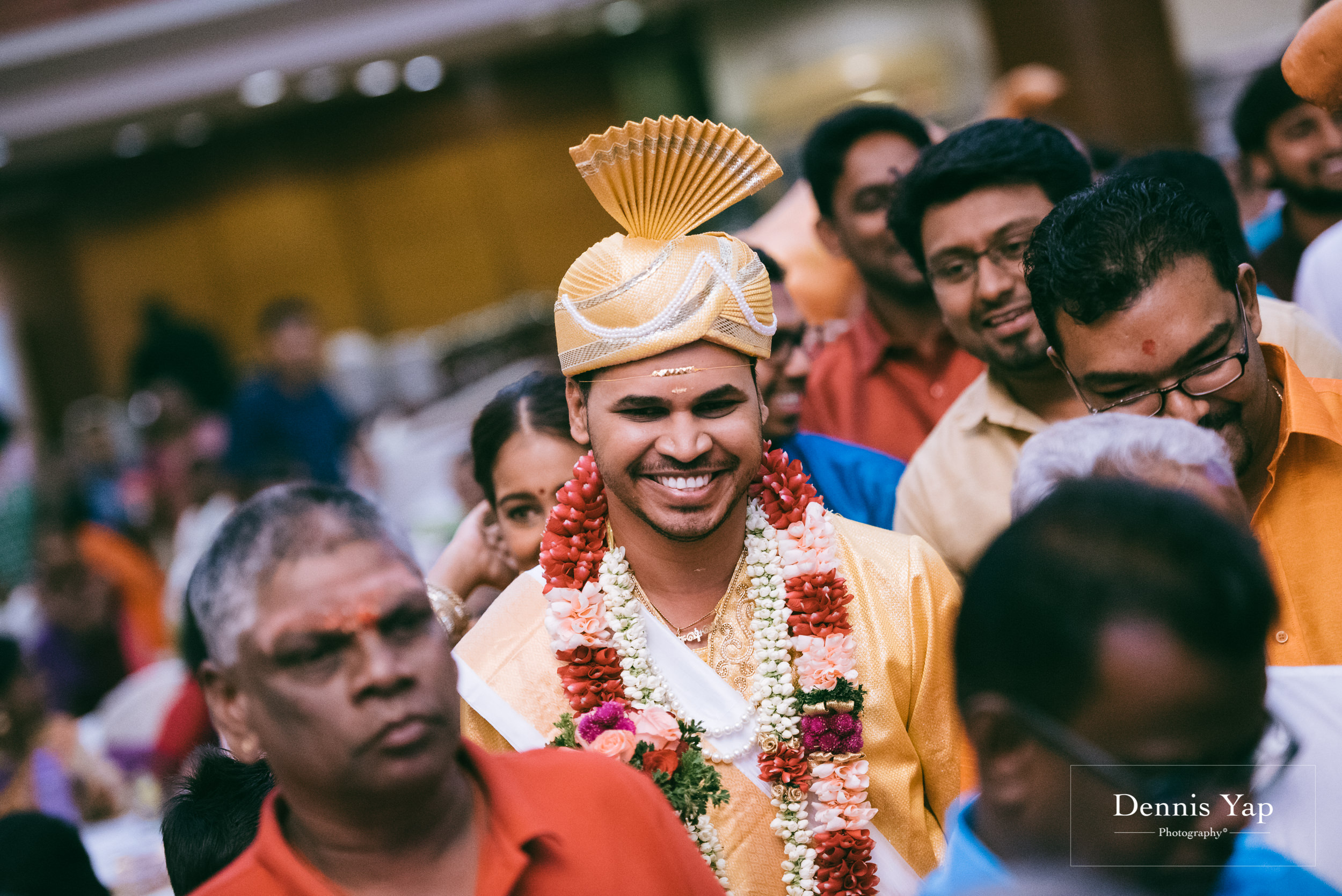
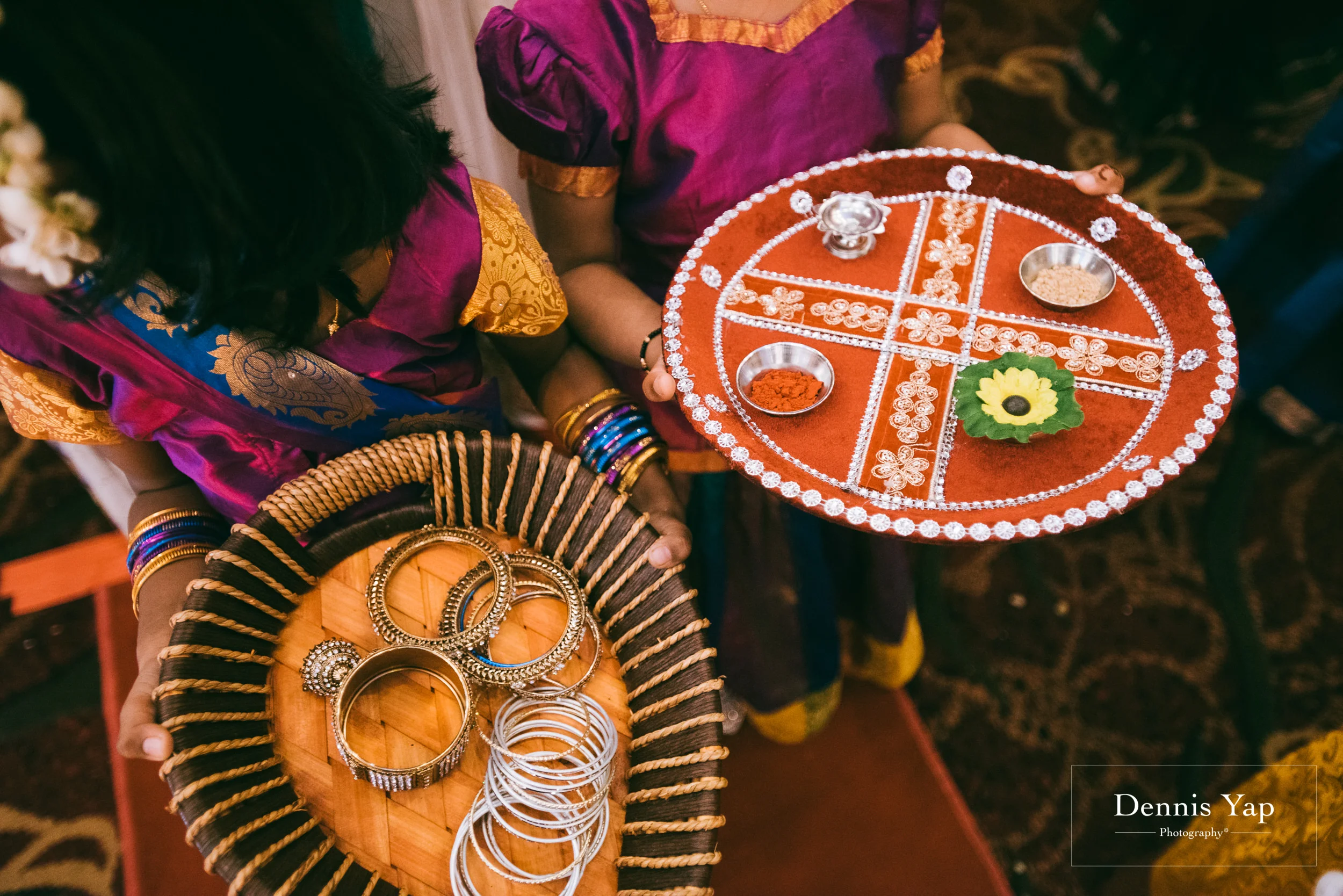
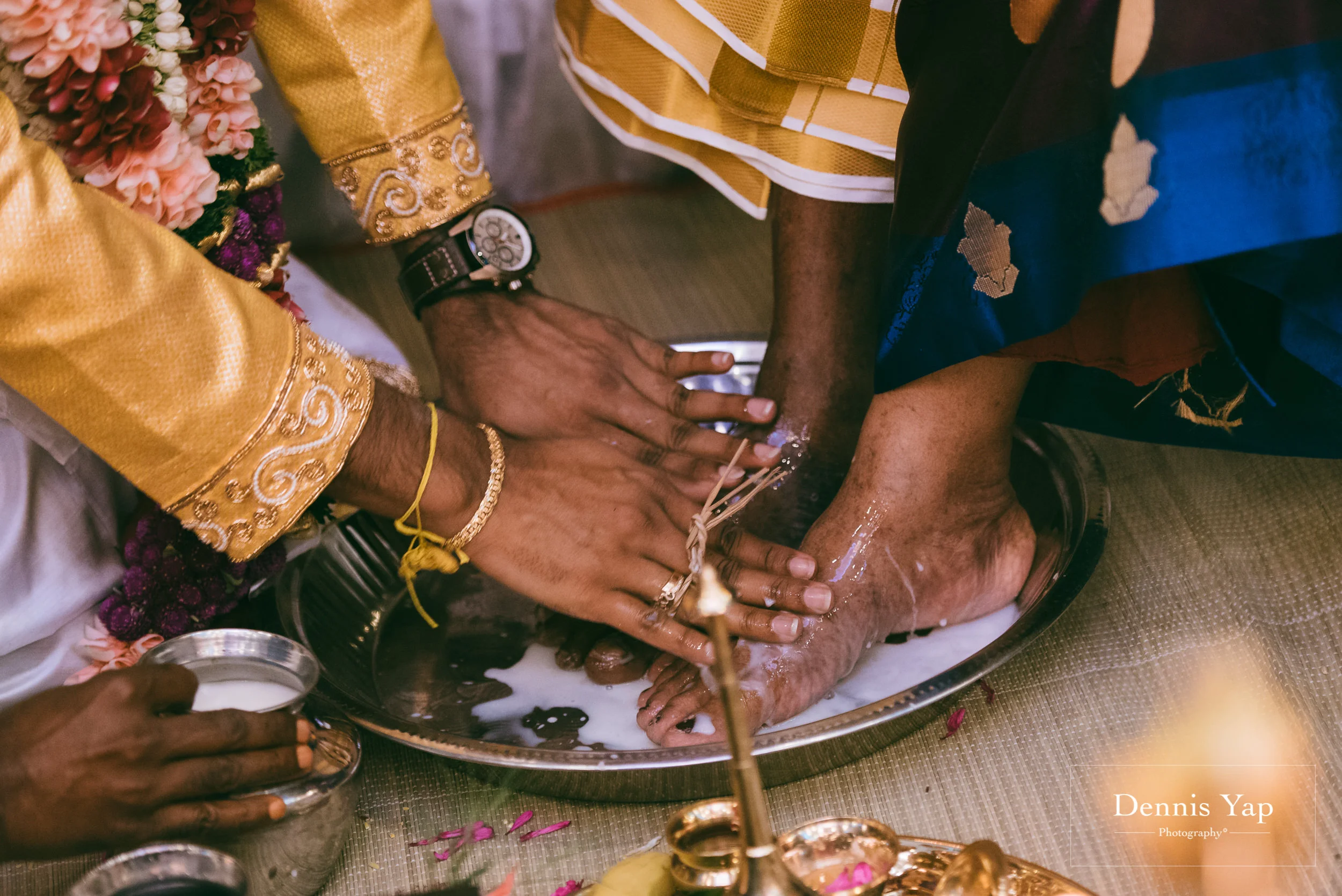
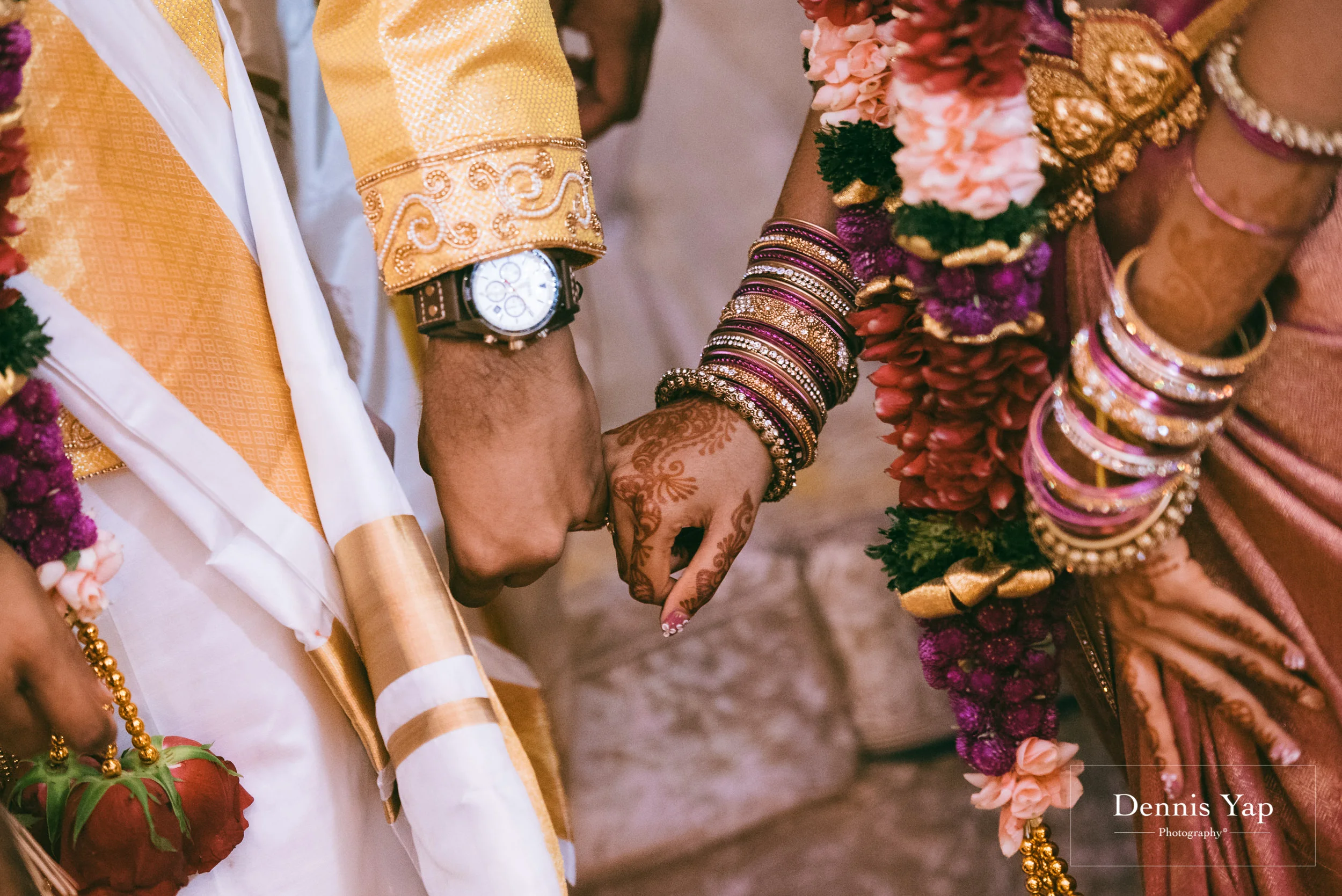
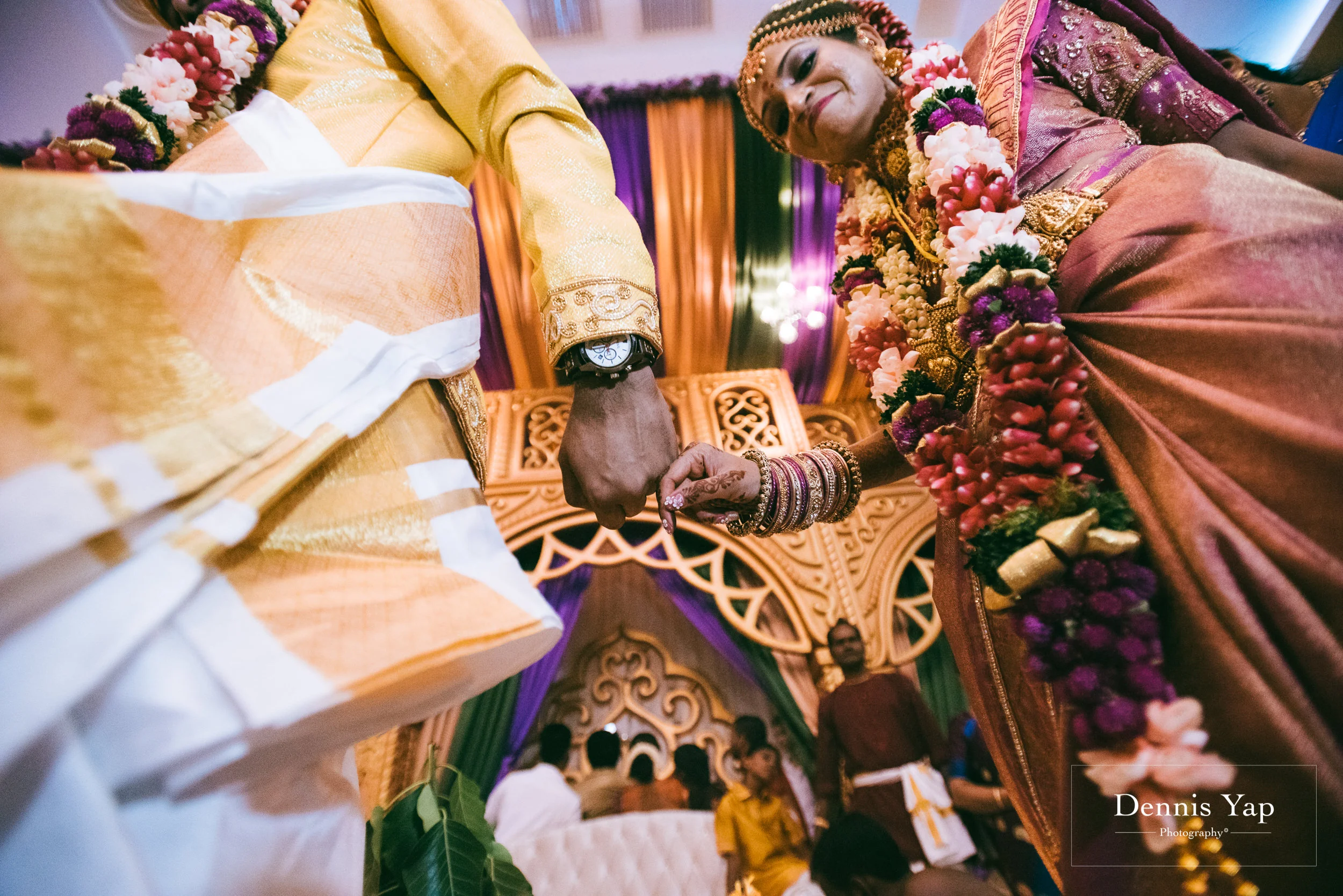
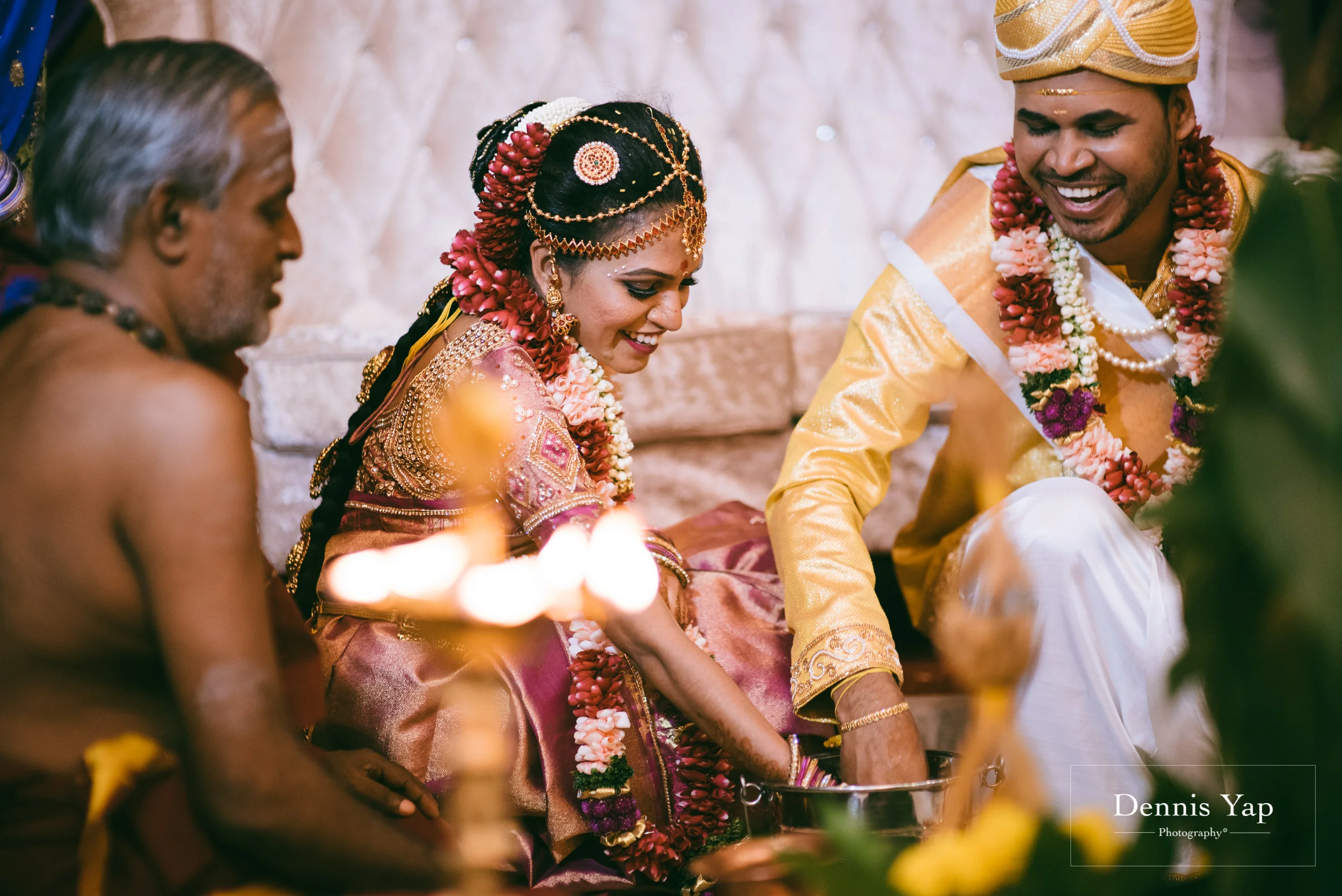
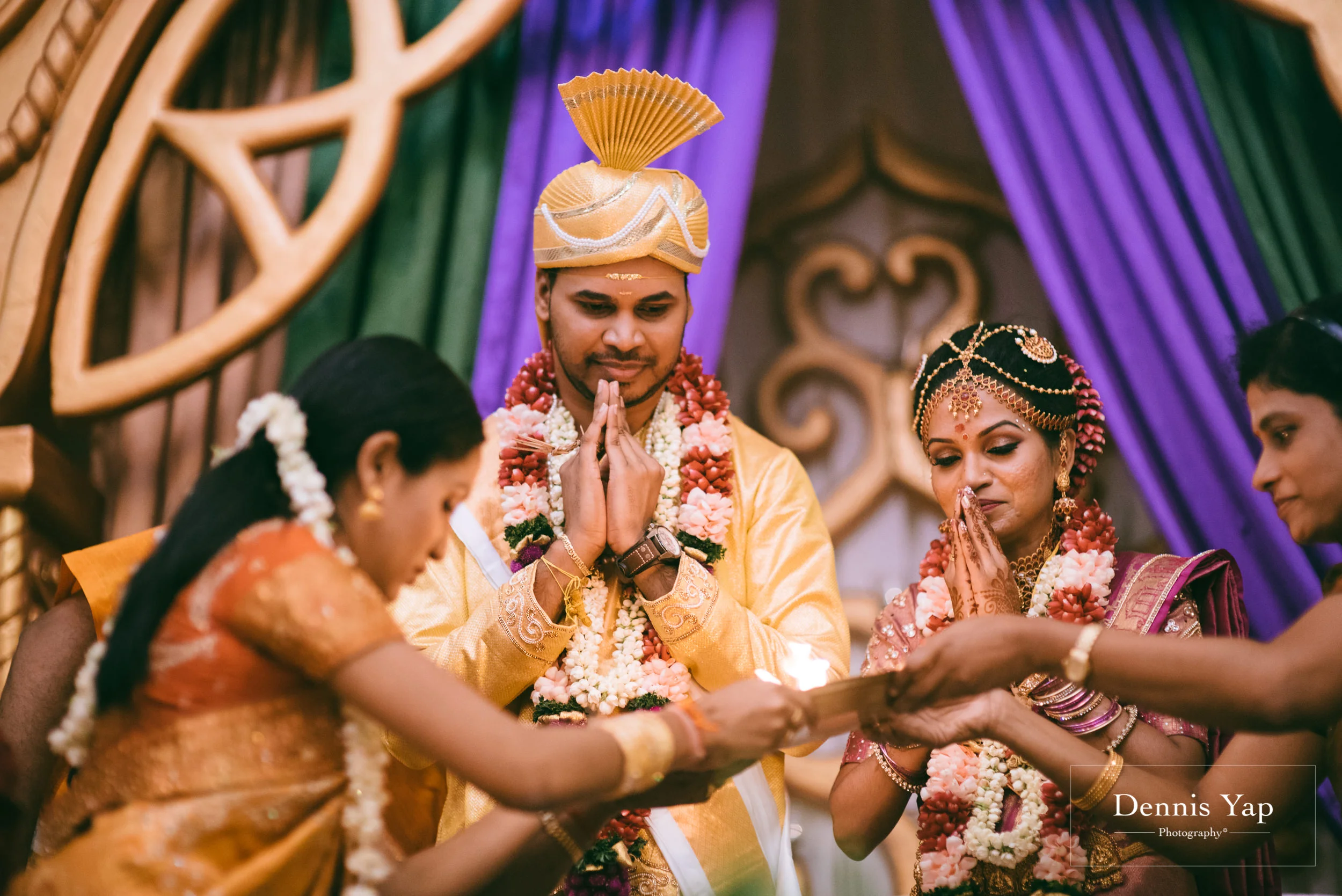
Traditional Indian weddings in Malaysia carry an energy that is completely unique. Stepping into the grand hall of the Ideal Convention Centre in Shah Alam, the atmosphere is alive from the very start—the rhythmic hum of the thavil drum, the piercing melody of the nadaswaram horn, the sweet fragrance of fresh jasmine and marigolds, and the rich gold and crimson silk sarees worn by generations of gathered family. For Puvaneswaran and Cangitaa, their wedding day was a deep honoring of heritage, shared faith, and family blessings, held in a spacious mandap where every ritual had room to breathe.
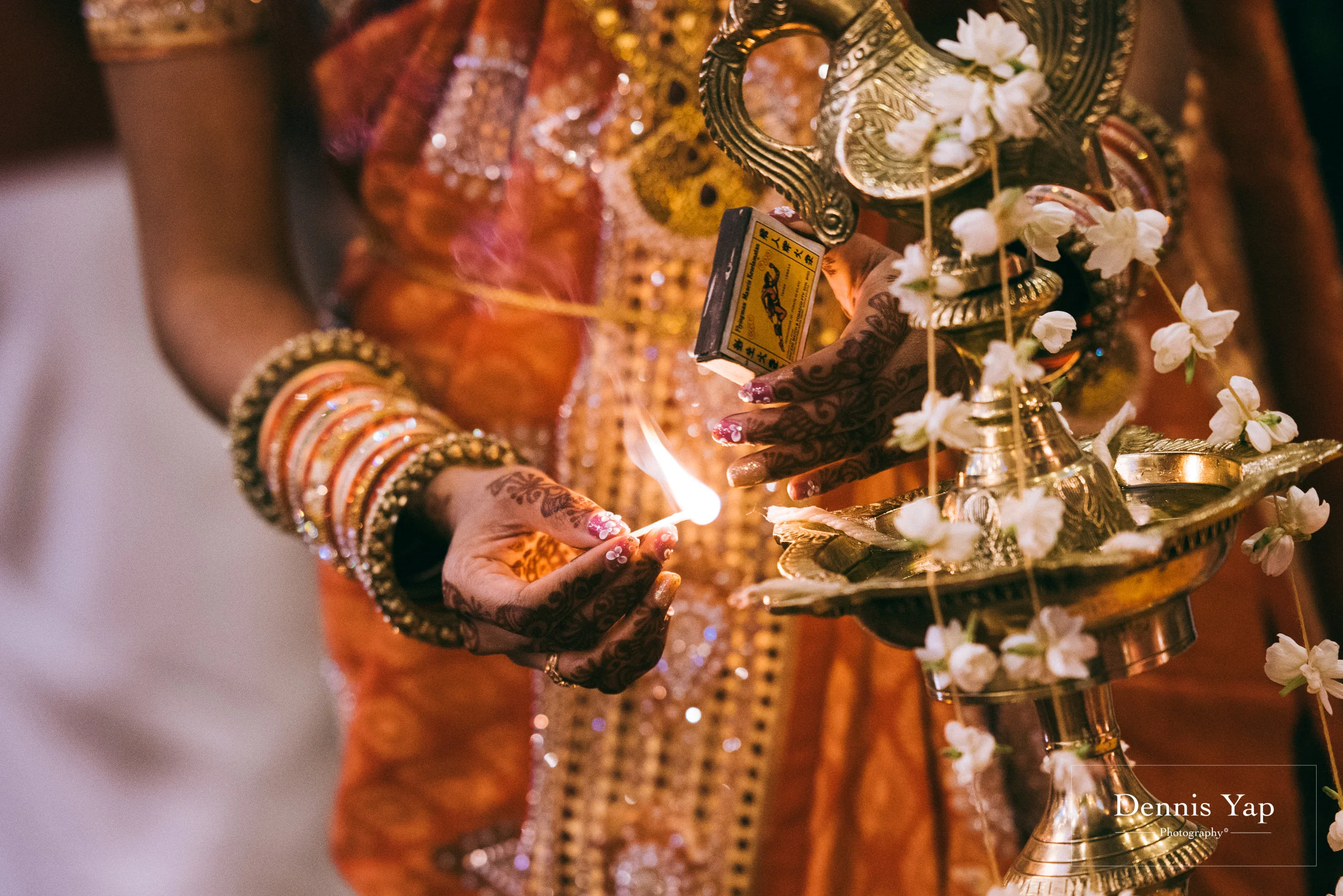
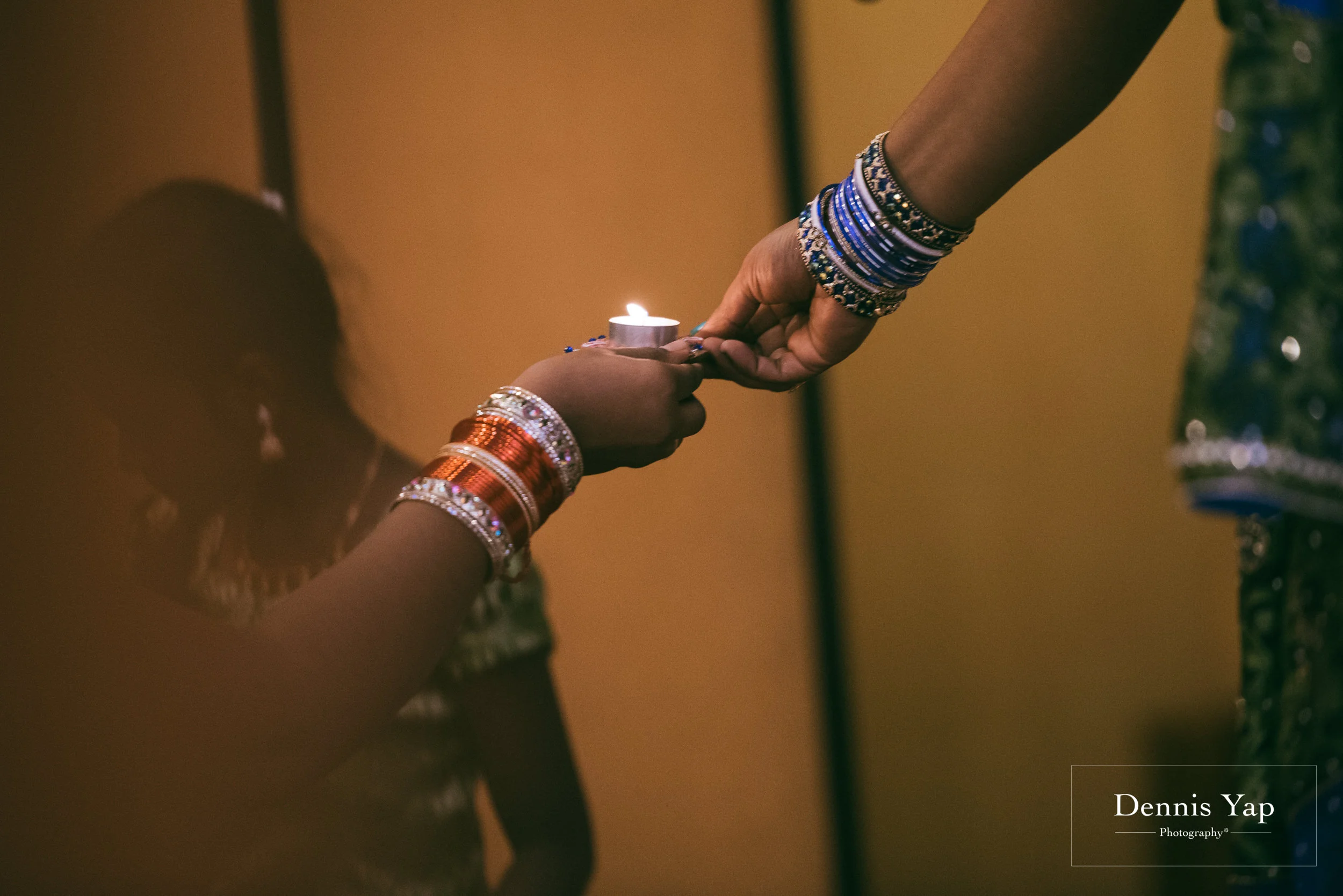
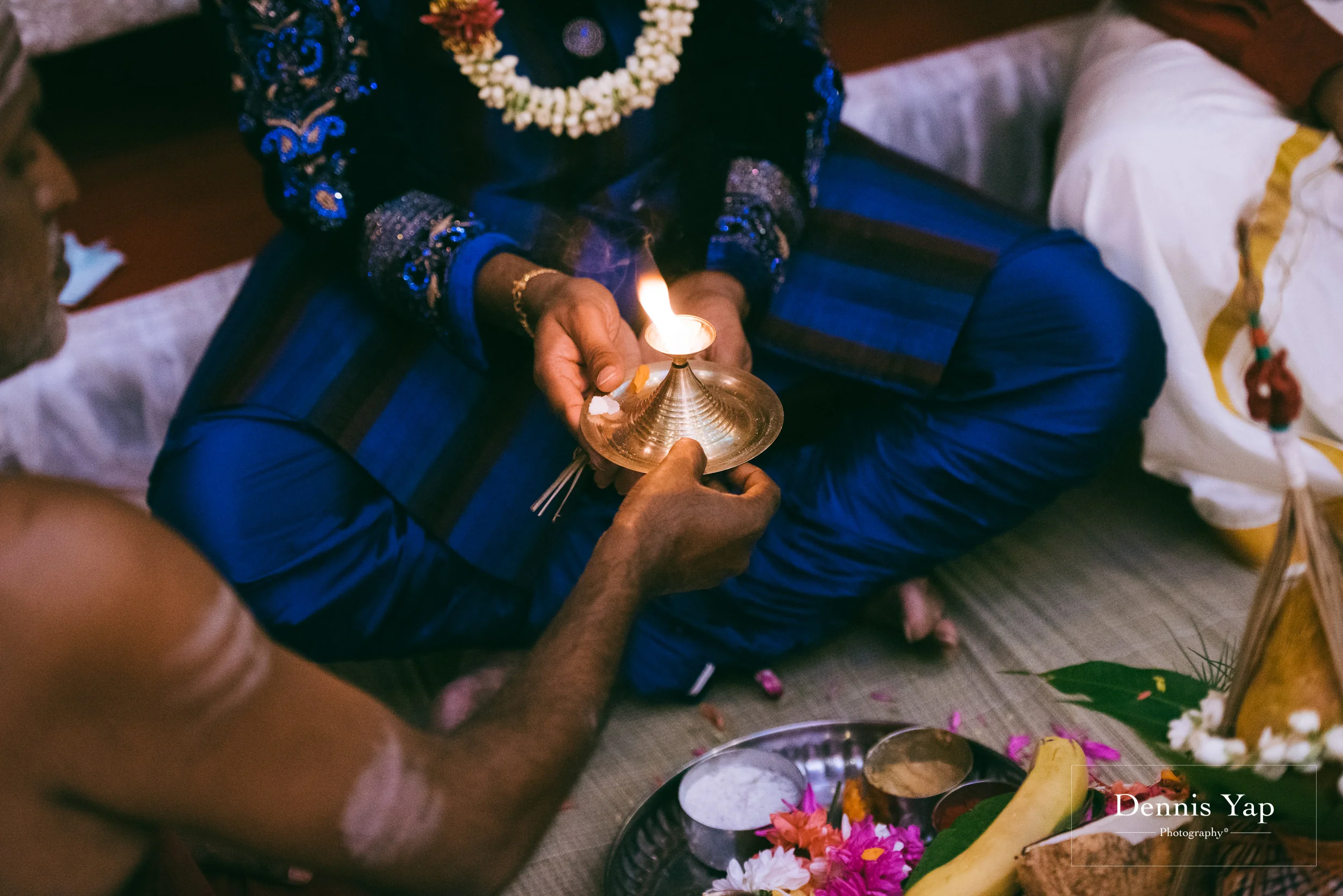
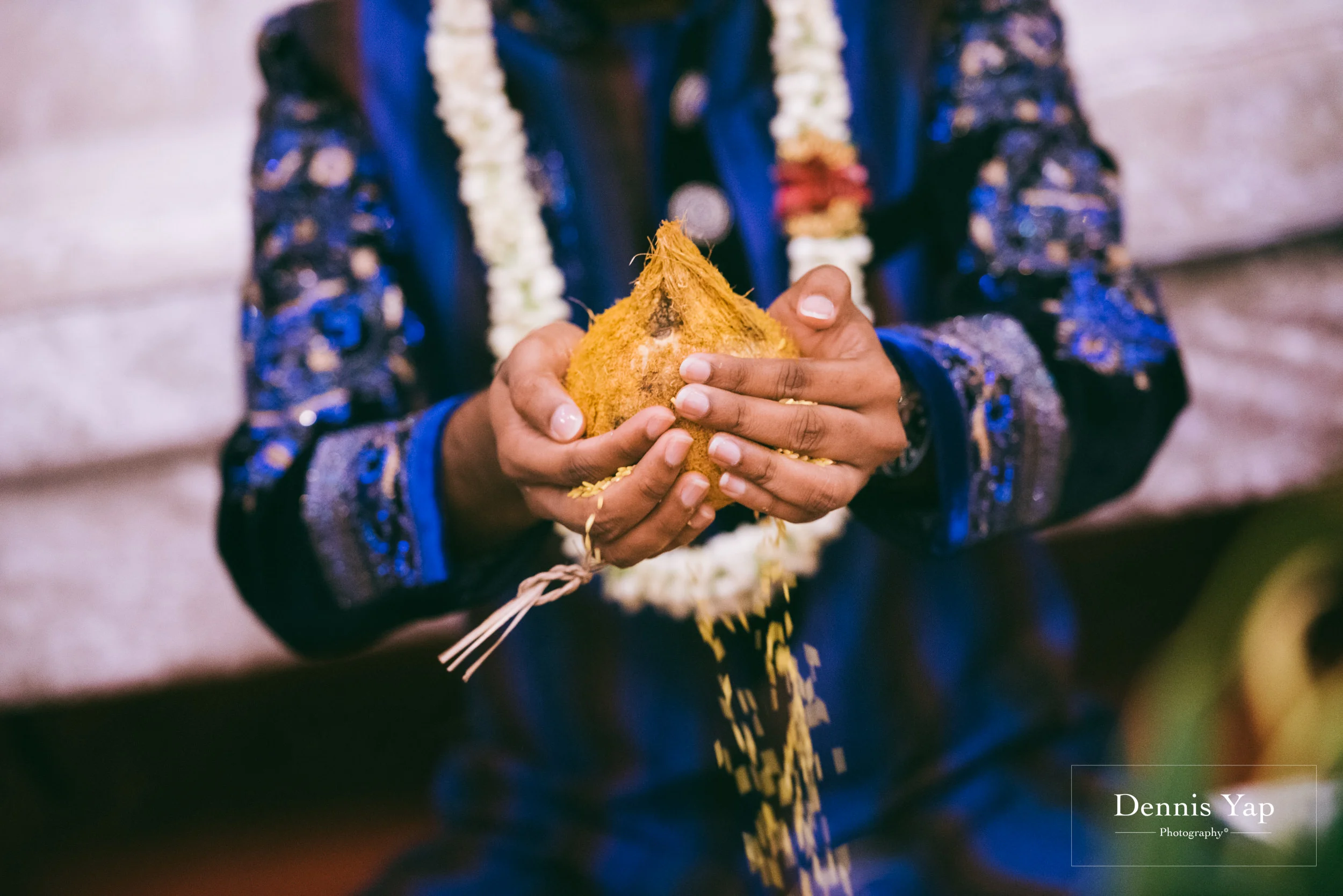
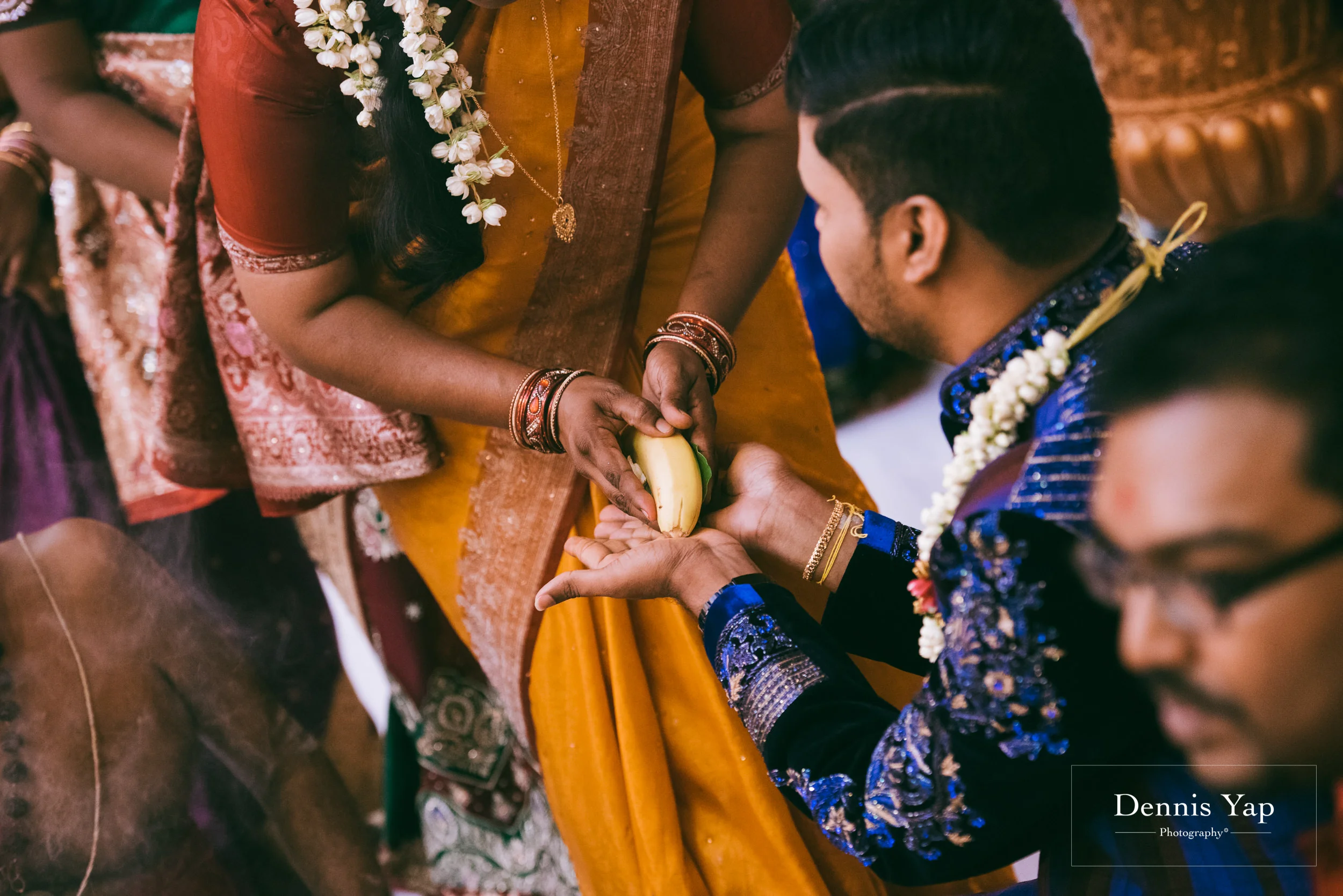
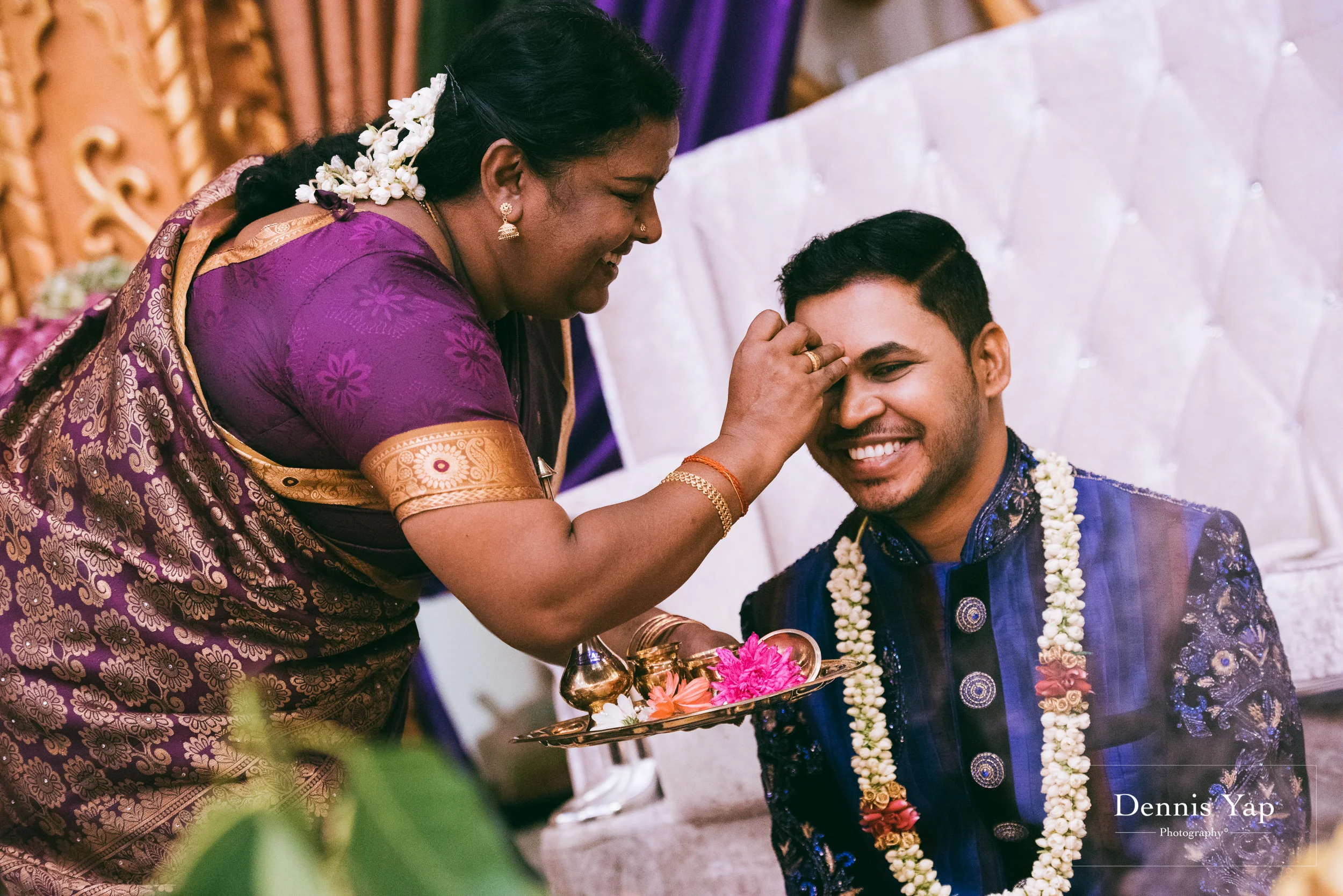
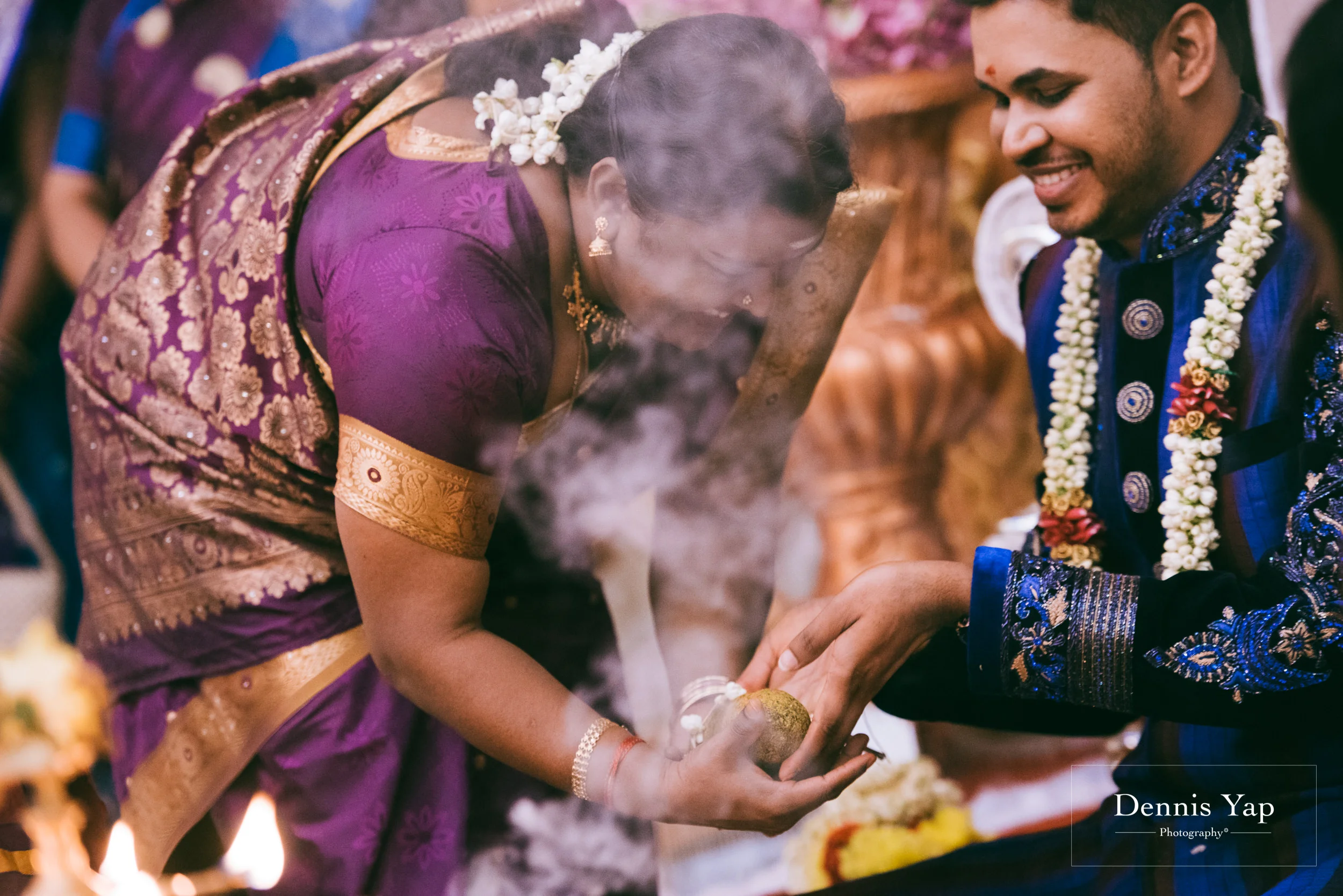
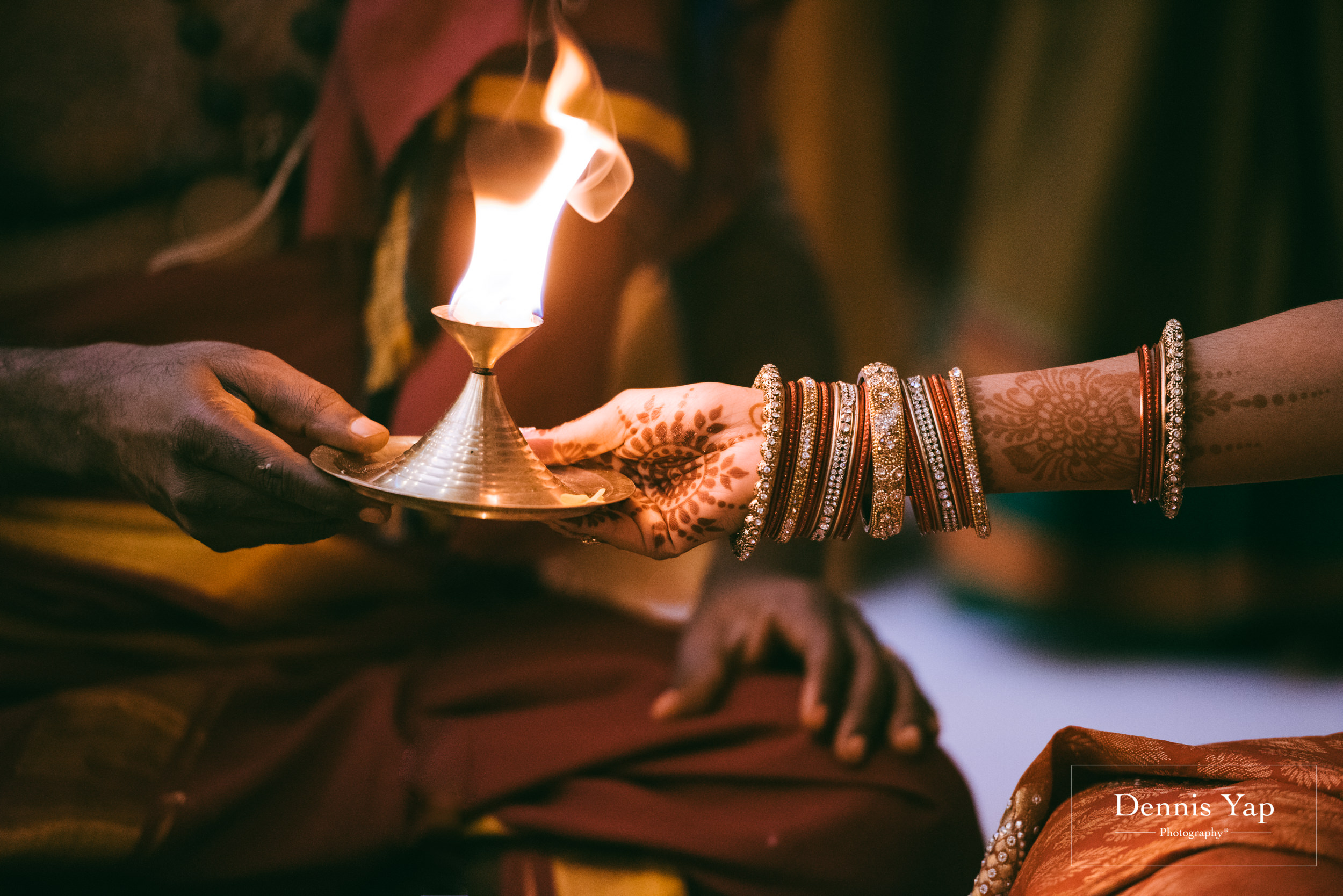
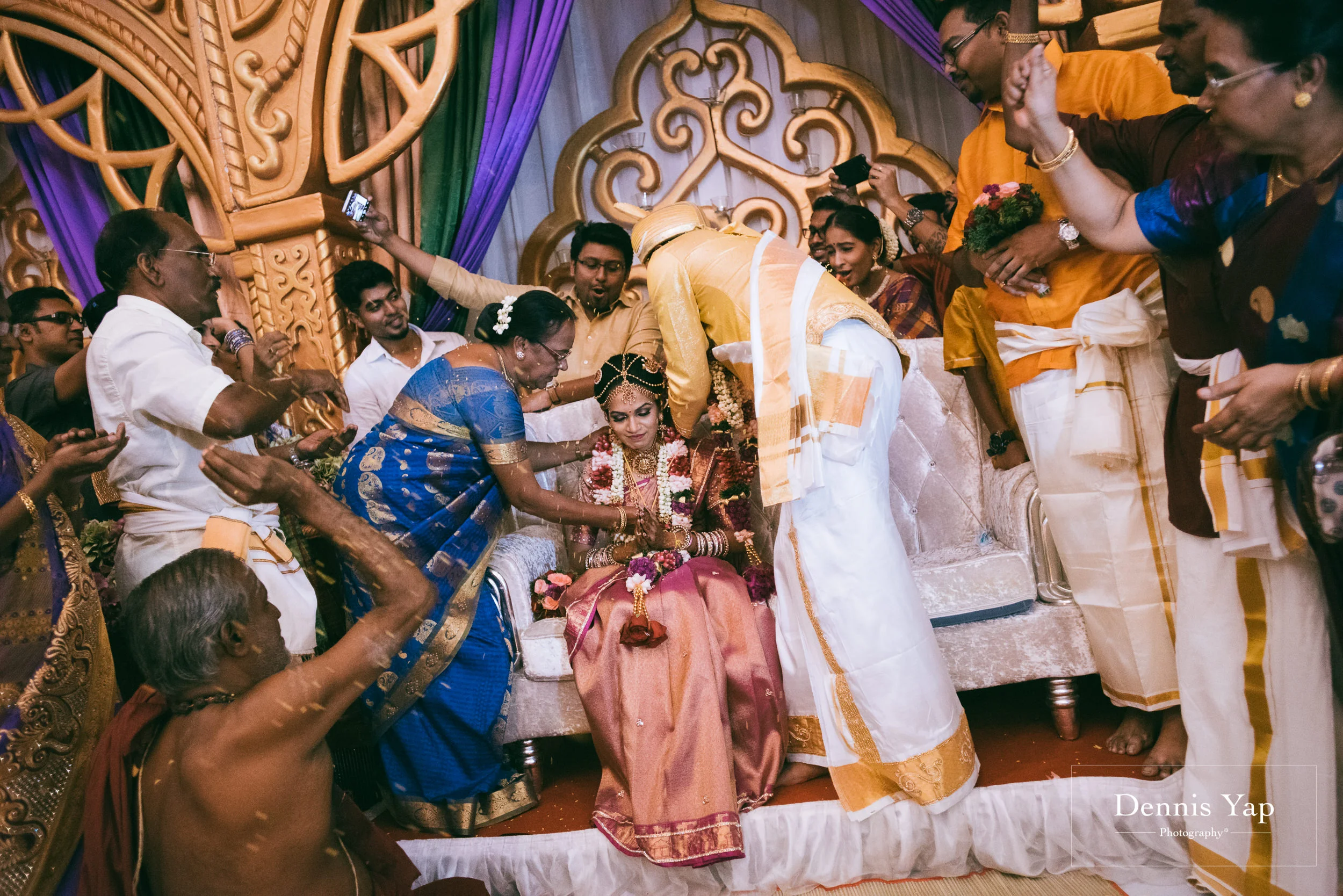
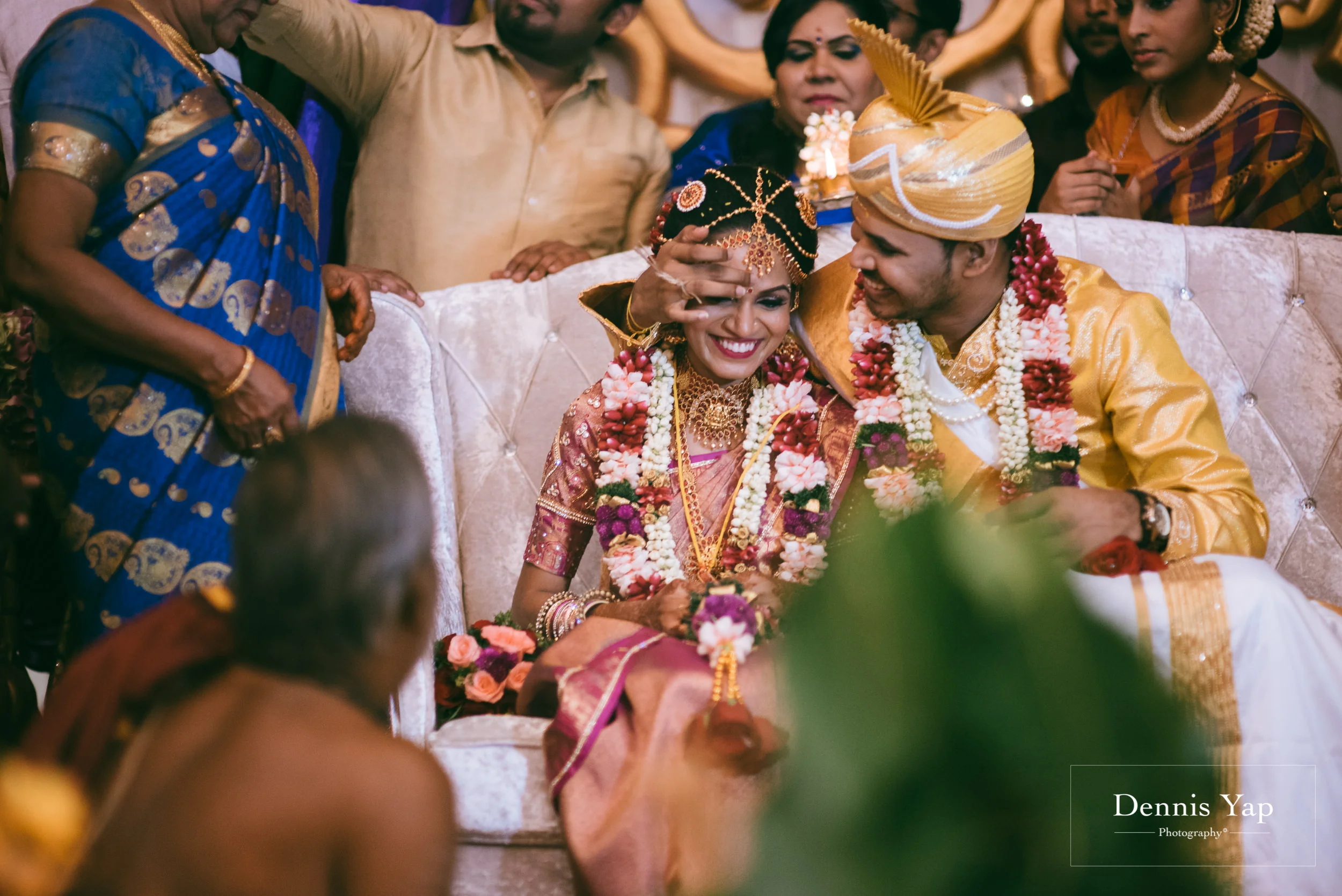
The morning flowed with intense color and genuine emotion. Rather than turning the sacred ceremony into a staged production, our approach was to stay attentive and unobtrusive around the sacred fire. The true spirit of the day came through in the unscripted moments: Puvaneswaran’s focused concentration as the priest guided the mantras, Cangitaa’s serene gaze as the turmeric thread was prepared, the spontaneous tears and joyful smiles from parents as the Thaali was tied, and the flurry of yellow rice grains tossed in blessing by every aunt, uncle, and friend in the hall.
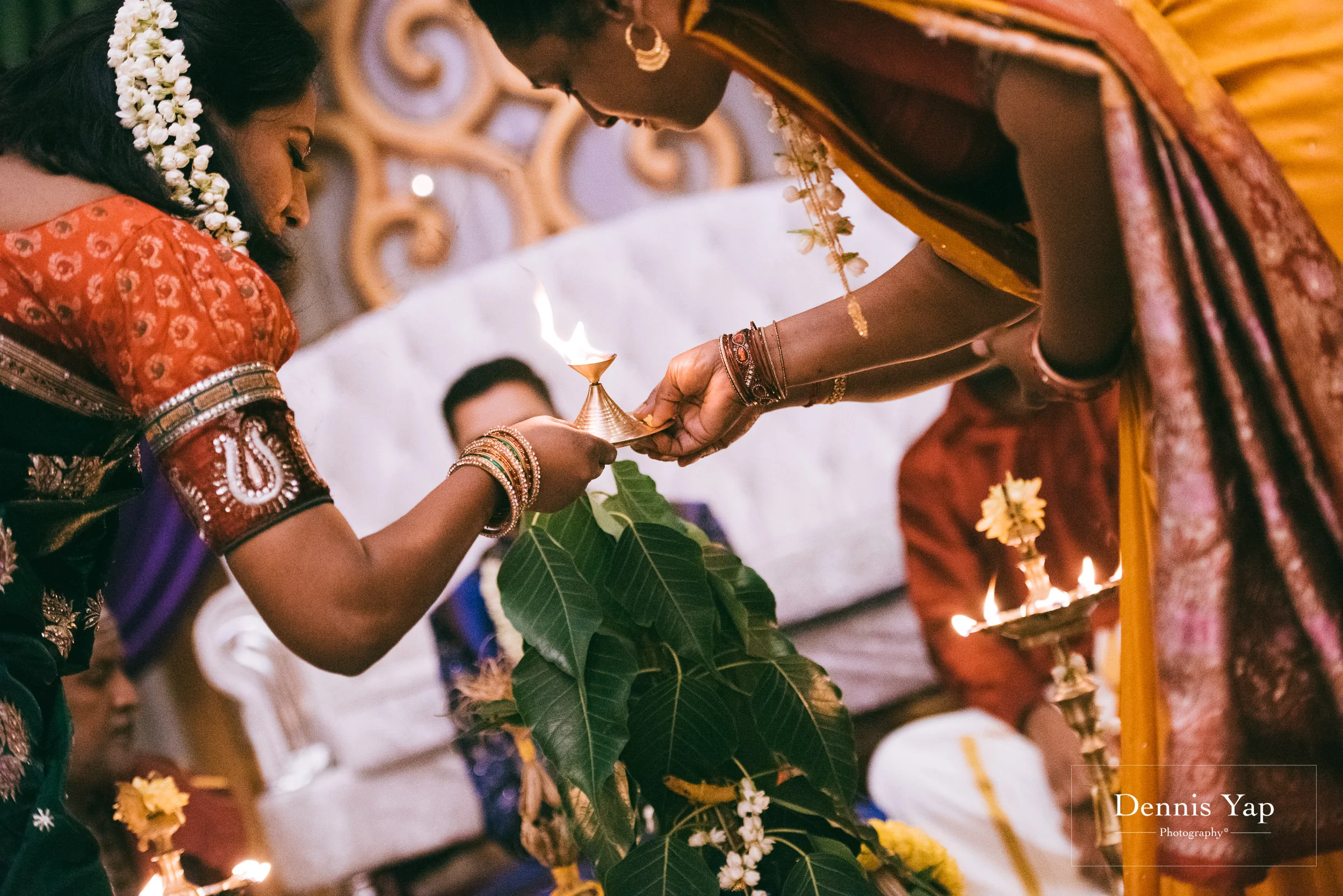
Capturing an Indian wedding in a large hall means working carefully with the dramatic interplay of stage lighting, golden jewelry reflections, and warm sacred flames. By relying on fast prime lenses and shooting wide open, we preserved the true colors and ambient warmth of the mandap without drowning the rituals in harsh, continuous flash bursts. The silent shutters let the solemnity of the sacred steps and the candid laughter during the garland exchange remain completely natural. The final photos serve as a lively, heartfelt record—full of color, family warmth, and the real emotion of two families joining together.
3. Wedding Day Snapshot
Venue: Ideal Convention Centre (IDCC), Shah Alam, Selangor, Malaysia
Setting: Traditional South Indian Hindu wedding ceremony featuring an ornate ceremonial mandap, sacred fire homam, Thaali tying, garland exchange, and family blessings
Style: Warm, vivid, unposed documentary cultural wedding photojournalism
Light Window: Morning ambient hall and stage illumination mixed with the natural glow of the ceremonial homam fire (8:30 AM – 1:00 PM)
4. FAQ
Q: How do you document fast-moving rituals during a traditional Indian wedding without missing key moments?
A: Indian ceremonies have pivotal, split-second moments—like the tying of the Thaali (Mangalsutra) and the shower of yellow rice (akshata). We stay alert and anticipate each step through experience, moving smoothly around the mandap to capture both the couple's expressions and the emotional reactions of their parents without blocking the view of family members.
Q: Can you handle the low-light and mixed stage lighting common in large convention halls?
A: Yes. We use professional camera bodies paired with fast, wide-aperture prime lenses that perform cleanly in challenging hall lighting. This lets us capture rich jewel tones, intricate gold jewelry, and authentic skin tones using available stage light without relying on distracting, harsh strobe lighting.
Q: How much time should we buffer for couple portraits on the wedding day?
A: With traditional Indian weddings, ceremonies are often followed by long receiving lines for family blessings. We usually recommend taking a quick 15 to 20-minute window right after the ceremony—or just before the hall fills up—to capture relaxed, natural portraits of the two of you in your full traditional wedding attire.